
Arquetopia Foundation and International Artist Residency
Welcome to Arquetopia, a unique space for artists, writers and researchers who understand that practice is not separate from the world, but a way to transform it. Arquetopia offers professional artist residency programs in Puebla and Oaxaca, Mexico; and Cusco, Peru — where the creative process is developed through materiality, non-dominant forms of knowledge, and reciprocal learning. Working within contexts shaped by complex histories, artists build situated practices in a structured, critically rigorous environment grounded in social justice and an anti-colonial vision. Explore our 20 various programs and apply.
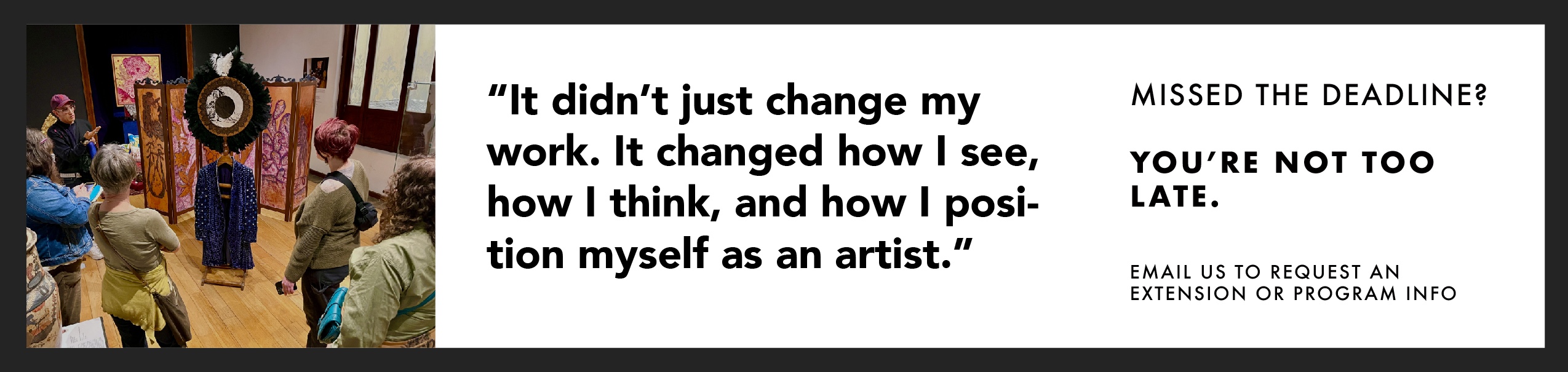
Missed the September 1 Deadline for 2027
and remaining spaces in 2026?
E-mail Us at info@arquetopia.org
for Program Info, Application Materials, and an Extension
including Day of the Dead, and Short-Term Programs



About Arquetopia Foundation
Arquetopia is a leading force in redefining what an artist residency can be. Our programs are internationally recognized for their ethical rigor, research-based approach, and commitment to transforming how art is made and understood. We place reciprocity at the center of every exchange, directly challenging the extractive histories of artistic mobility, cultural tourism, and the legacy of the “Grand Tour.” Here, art is not separate from the world — it is a critical practice shaped by responsibility, context, and consequence.
Grounded in the ethical and critical frameworks of Emmanuel Levinas, Kirsten Pai Buick, and Audre Lorde, our methodology rethinks the terms of international exchange. Rather than reproducing dominant narratives, we position encounters across Mexico and Peru as sites of inquiry—territories shaped by colonial histories and ongoing inequalities that demand engagement, not distance.
Founded in 2009 as an independent Mexican nonprofit, Arquetopia operates with an international network of leading scholars, artists, and cultural practitioners committed to social transformation. Each year, we host artists, writers, and researchers from over 110 countries, building a rigorous and diverse environment shaped by more than 1,200 residents worldwide.
What distinguishes Arquetopia is not scale, but depth. Our residency programs are intensive, mentored, and fully tailored — designed for artists and thinkers who demand more than production alone. Through sustained guidance, research-based frameworks, and access to a strong network of collaborators, institutions, and studios, we support work that is critically grounded and globally relevant.

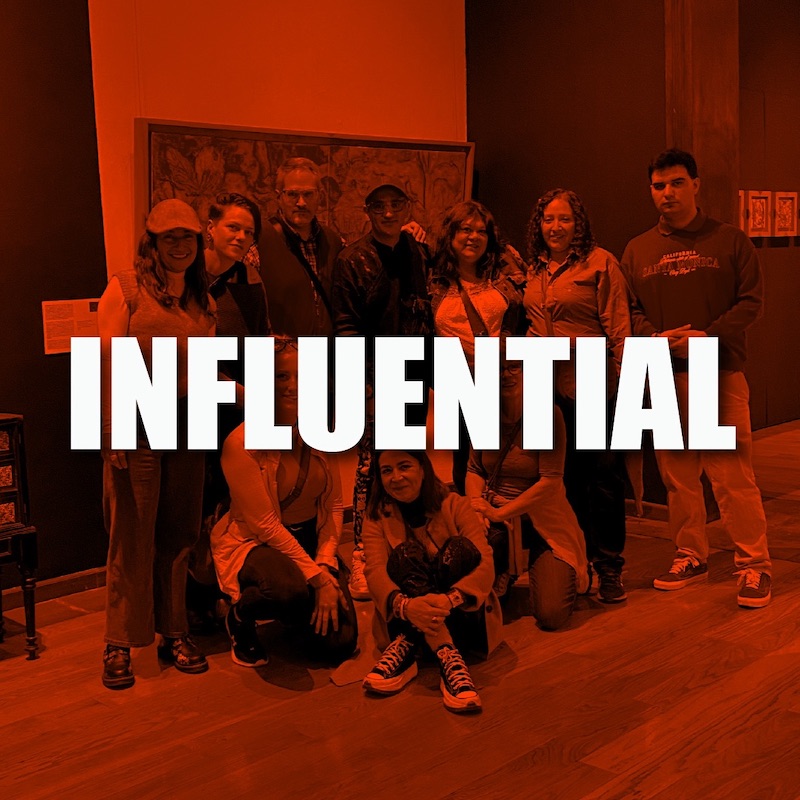

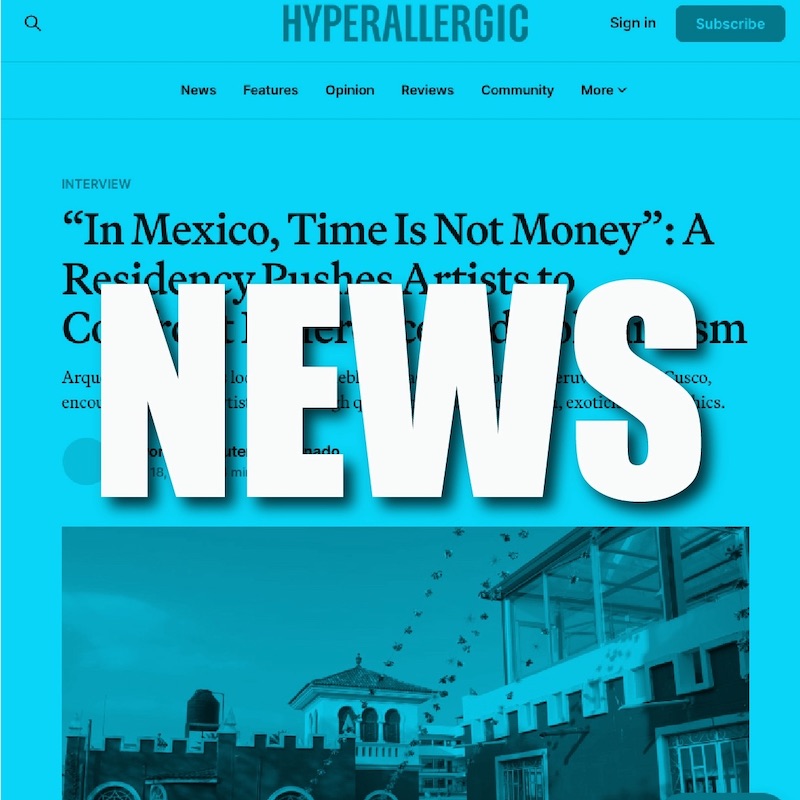
This will change how you think, how you make,
and what your work does in the world.
At Arquetopia, your practice is expanded through the connectivity of concepts — where materiality, history, ethics, and form are understood as inseparable. You are pushed into the practice of unlearning, questioning inherited assumptions and opening space for intuition and non-dominant forms of knowledge to shape your work with greater clarity and depth.
Through the rhythm of creating, you develop work that responds to context rather than trends, building a practice that is both rigorous and alive. And through the ethics of movement, you learn to engage with place as a condition that is about responsibility, not consumption — transforming how you position yourself as an artist across cultures and geographies. This is where your artistic voice becomes intentional, grounded, and capable of effecting real change.
Founded in 2009 in Puebla, Mexico by Mexican visual artist and curator Francisco Guevara and North American classical musician Chris Davis, Arquetopia began as an educational arts initiative for inner-city youth and quickly evolved into an international residency program that has since redefined the field globally. With professional spaces in Puebla and Oaxaca, Mexico, and Cusco, Peru, Arquetopia has grown into one of the most influential artist-run programs in the world — supported by a global network of artists, curators and scholars, offering exclusive programs for distinguished alumni, all sustained through its independent, self-sufficient model committed to ethical practice.
Arquetopia Foundation is an entirely independent, self-sustaining, officially registered Mexican and Peruvian nonprofit organization of artist-run professional spaces that receives zero external funding. Arquetopia is strictly unaffiliated with any political, religious, war industrial or weapon-building entities.
Arquetopia is committed to providing an inclusive and welcoming environment for all members of our diverse local and international community. Arquetopia’s resident artist and staff backgrounds vary in all aspects. As part of Arquetopia’s mission is to promote diversity, Arquetopia actively fights discrimination by offering access to its programs and activities without regard to race, color, gender or gender expression, national origin, age, religion, creed, or sexual orientation.