
Missed the October 15 Deadline for 2027?
E-mail Us at info@arquetopia.org
for Program Info, Application Materials, and an Extension
including Day of the Dead, and Short-Term Programs
Alumni Residency Program #1
Battleground Museum: Conflict, Memory, and Cultural Resistance
Location: Puebla
4-week On-Site Residency and Alumni Exhibition — Program Dates: Flexible
In 2026, the White House released a 162-page report entitled Saving America’s Story: How Ideological Capture at the Smithsonian Institution’s National Museum of American History Erases Our Heritage. Following Executive Order 14253, Restoring Truth and Sanity to American History, the report argues that the Smithsonian has moved away from its traditional role as a steward of national heritage toward a distorted framework centered on race, colonialism, migration, gender, decolonization, and social justice. The report contends that museums sought to connect “research and scholarship to activism and advocacy” and to use history as a “prime tool of social justice,” while working to “reframe the traditional celebratory narrative of U.S. history” asking a deceptively simple question: “At the heart of our concern is a simple question: what should a national museum of American history do?” As the world’s largest museum complex and one of the most influential cultural institutions globally, the Smithsonian has long served as a reference point for museums, curators, scholars, educators, and policymakers around the world. The debate surrounding its exhibitions, collections, and public programs therefore raises questions that extend far beyond a single institution. What forms of knowledge become possible—or impossible—within the museum? How do collecting, conservation, interpretation, and display transform the meanings of objects, artworks, and cultural practices? What is produced when an artwork enters a museum beyond its preservation and exhibition? How do artists navigate the tensions between critical practice and institutional validation, and what forms of inclusion, exclusion, translation, and authority are embedded in the act of exhibiting culture? Finally, what responsibilities emerge when artists, curators, and museums become active participants in the construction of public memory, cultural legitimacy, and historical understanding?
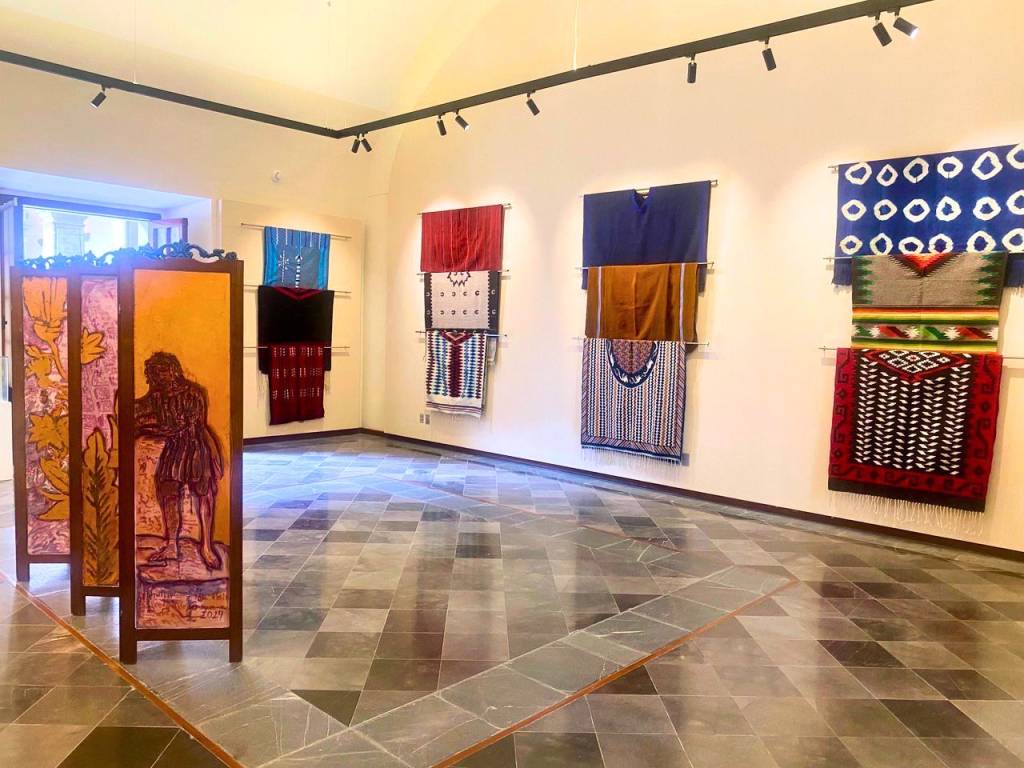
These questions emerge at a moment when museums are experiencing unprecedented global visibility and transformation. From the Louvre Abu Dhabi to institutions such as Mexico’s recently inaugurated Museo Textil de los Pueblos Indígenas y Afromexicanos, museums have become central actors in contemporary cultural and political life. Increasingly, they function not merely as repositories of objects, but as spaces where art, power, memory, identity, diplomacy, heritage, and social values intersect. As museums expand their audiences and ambitions, they have also become sites of contestation where competing visions of history, belonging, citizenship, and cultural authority are negotiated, challenged, and reimagined. Following Nicholas Mirzoeff’s conception of visuality, the museum may be understood not simply as a place that presents culture, but as a technology that organizes perception itself. Museums participate in determining what becomes visible, what remains invisible, which narratives acquire legitimacy, and which forms of knowledge are excluded from public recognition. Seen through this lens, contemporary debates surrounding collections, exhibitions, restitution, representation, and interpretation are not merely disputes over content; they are struggles over the authority to shape perception, produce historical meaning, and define the boundaries of cultural legitimacy. For artists, curators, and cultural practitioners, the museum is therefore not simply a venue for display, but a contested terrain in which visibility, memory, knowledge, and power are continuously negotiated.
PROGRAM CONTENT
Museums are often imagined as places where history is preserved. Yet history does not simply arrive at the museum waiting to be protected. It is selected, classified, arranged, interpreted, and displayed. Objects are removed from one set of relationships and inserted into another. Through these processes, museums do not merely preserve culture; they actively participate in determining what culture becomes. As Donald Preziosi argues, collecting and display are never neutral acts. Every collection is an argument, every exhibition a way of seeing. Museums transform objects into evidence, artifacts into heritage, and collections into narratives. What appears self-evident within a gallery is often the result of decisions concerning value, ownership, interpretation, and authority. The museum is therefore not a container of truth, but a site where truths are assembled and made visible.
Battleground Museum invites artists to investigate these processes not as observers but as participants. The museum is one of the primary spaces through which societies decide what deserves to be remembered, what may be forgotten, and what forms of knowledge acquire legitimacy. To engage the museum is to engage the mechanisms through which histories, identities, and cultural values are produced. Yet museums do more than shape the meaning of objects; they also shape the meaning of artists. Amelia Jones challenges the assumption that artistic identity exists prior to the institution. Artists become legible through exhibitions, collections, archives, criticism, markets, and publics. Museums do not simply discover artists; they participate in producing artistic legitimacy itself. Which practices are canonized? Which remain peripheral? And how do artists navigate institutions that simultaneously grant visibility while defining its terms?
Following Nicholas Mirzoeff’s analysis of visuality, the program approaches the museum as more than a place of display. Museums organize perception itself. They shape what becomes visible, what remains invisible, whose histories are recognized, and which forms of knowledge are marginalized. The question is therefore not simply what museums show, but how museums teach us to see.
Throughout the residency, participants will engage critical readings, discussion, research, site visits, writing, and artistic production to examine collections, archives, exhibitions, and institutional histories. Rather than treating the museum as a stable framework, they will investigate it as a contested terrain where memory, visibility, legitimacy, and power are continuously negotiated.
Ultimately, Battleground Museum approaches the museum not as a destination but as a process: a site where histories are assembled, identities negotiated, memories contested, and futures imagined. By critically engaging these structures, participants will develop new strategies for understanding—and intervening in—the complex relationships between artistic practice, cultural memory, and institutional power.
PROGRAM GOALS
Battleground Museum: Conflict, Memory, and Cultural Resistance is a special Arquetopia Alumni Residency Program designed for artists, designers, curators, and cultural practitioners interested in critically examining the museum as one of the most influential cultural institutions of the modern world. Combining radical theory, research, artistic production, mentorship, and public engagement, the program explores the museum not simply as a repository of objects, but as a contested terrain where memory, visibility, legitimacy, identity, and cultural authority are continuously negotiated.
Drawing upon museum studies, visual culture, critical theory, and contemporary artistic practice, the program investigates how museums participate in the production of knowledge, the construction of historical narratives, and the shaping of public perception. Participants will engage with key debates surrounding collecting, display, artistic legitimacy, representation, restitution, cultural sovereignty, and institutional accountability, while developing new frameworks through which to understand their own practices in relation to museums, archives, collections, and public culture.
The program aims to foster a deeper understanding of the ways museums transform objects into heritage, collections into narratives, and artistic practices into cultural value. Through critical inquiry and artistic experimentation, participants will examine how institutions shape what becomes visible, what remains marginalized, and how cultural memory is constructed, preserved, challenged, and reimagined. Particular attention will be given to the historical and contemporary role of museums in Latin America and their relationship to broader global discussions concerning identity, heritage, and cultural power.
Serving as an extension of the critical conversations initiated during previous Arquetopia residencies, the program encourages participants to connect their individual artistic interests to larger questions concerning institutional structures, public memory, and cultural authority. Through a combination of readings, discussion, mentorship, independent research, and artistic production, participants will be challenged to develop projects that engage the museum as both subject and medium, exploring its possibilities, contradictions, and unresolved tensions.
The program ultimately seeks to strengthen participants’ ability to critically position their work within contemporary debates surrounding museums and cultural institutions while fostering new strategies for intervention, collaboration, and public engagement. By bringing together artists and cultural practitioners from diverse disciplines and geographies, Museum Battleground creates a space for collective reflection on how museums shape the ways societies understand history, culture, and themselves—and how artistic practice can participate in transforming those processes.
SELECTION REQUIREMENTS & DURATION
Candidates are selected by invitation, based on the exceptional quality of their artistic practice, their sustained engagement with Arquetopia’s critical methodology, and their demonstrated commitment to cultural dialogue, social engagement, and intellectual rigor. Particular consideration is given to alumni whose previous residencies produced significant artistic growth, ambitious research outcomes, meaningful community engagement, and contributions that extended beyond the original scope of their residency experience.
As a special Arquetopia Alumni Residency Program and Exhibition, Battleground Museum: Conflict, Memory, and Cultural Resistance is intended for alumni who have previously participated in Arquetopia Honors programs and Intercultural Poltergeist. These artists have developed a sustained relationship with Arquetopia over multiple residencies and have demonstrated a deep understanding of its pedagogical approach, making them uniquely positioned to engage the complex questions explored by this program. Their continued participation reflects a shared commitment to long-term critical inquiry, artistic experimentation, and intellectual exchange.
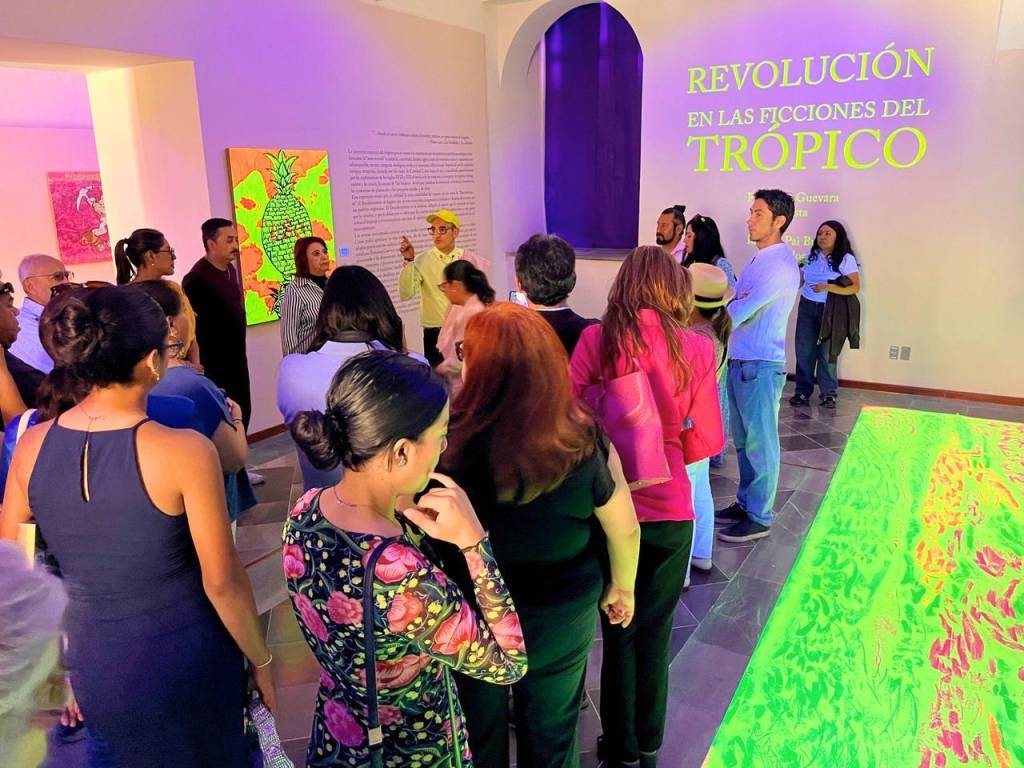
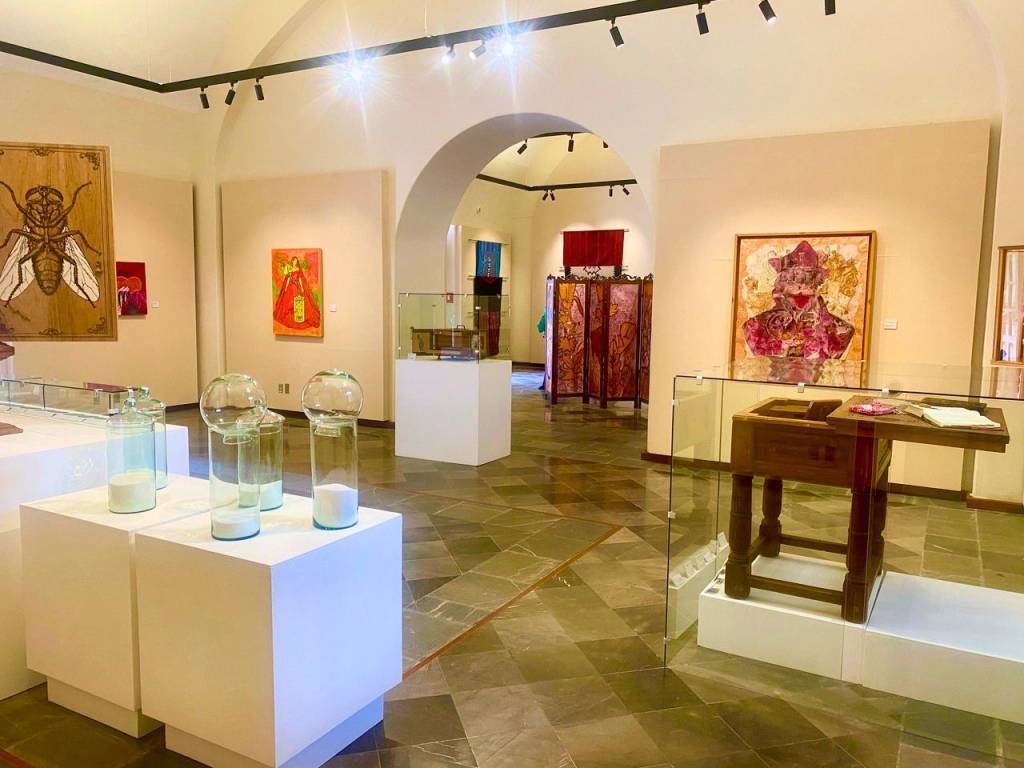
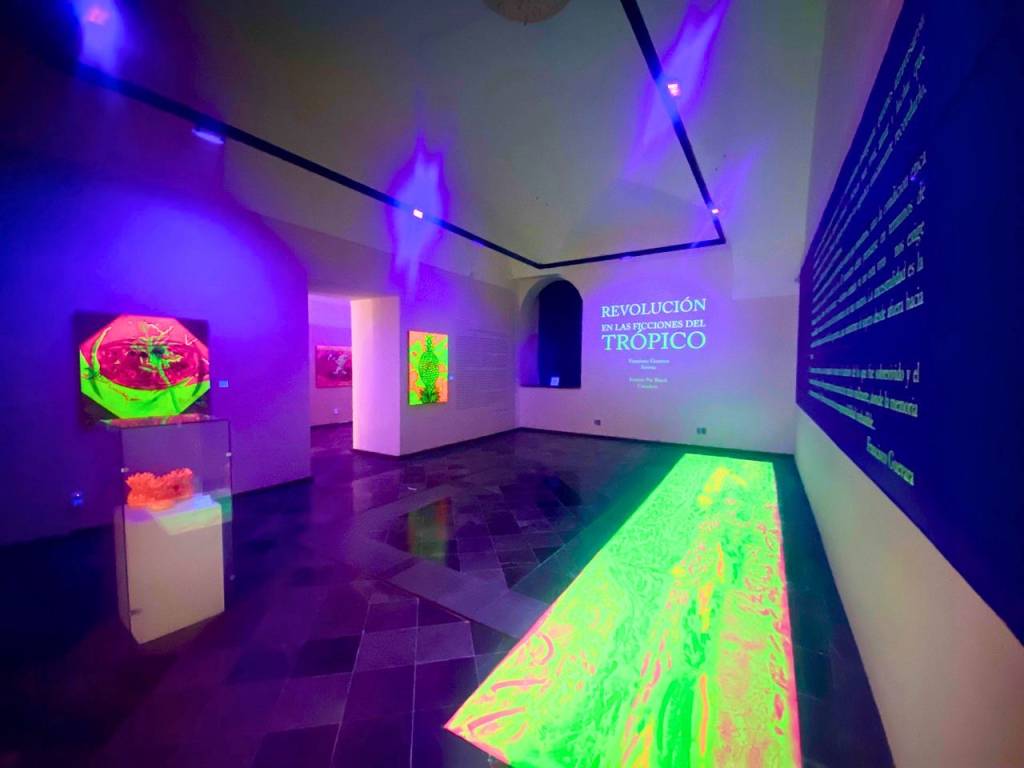
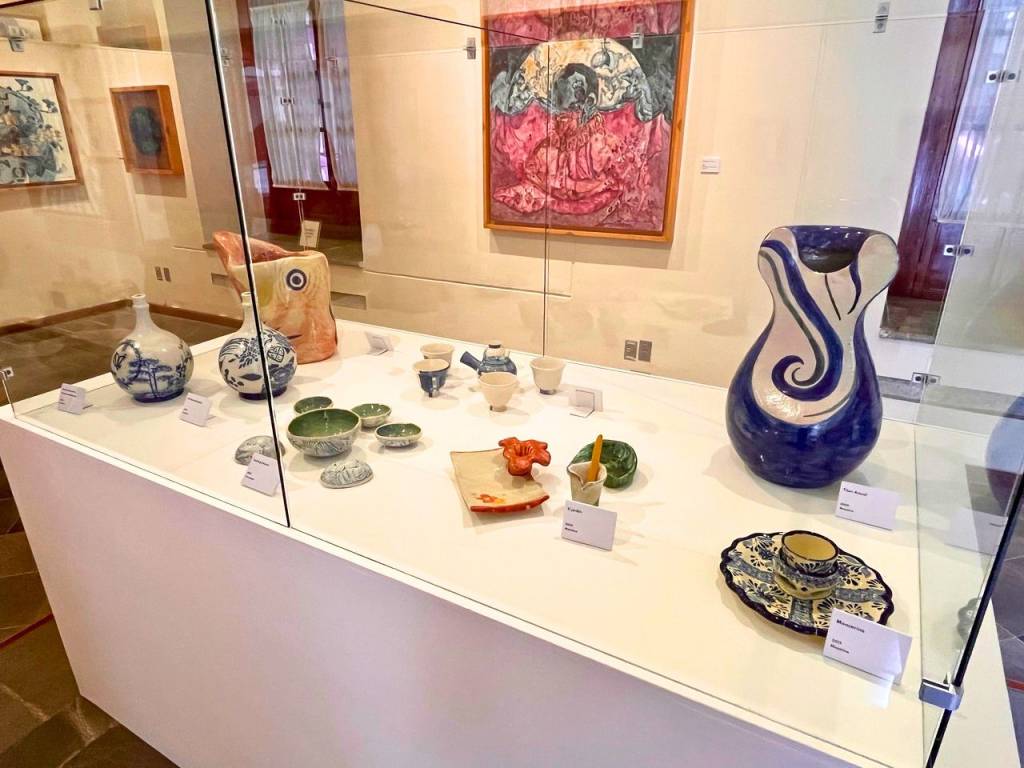
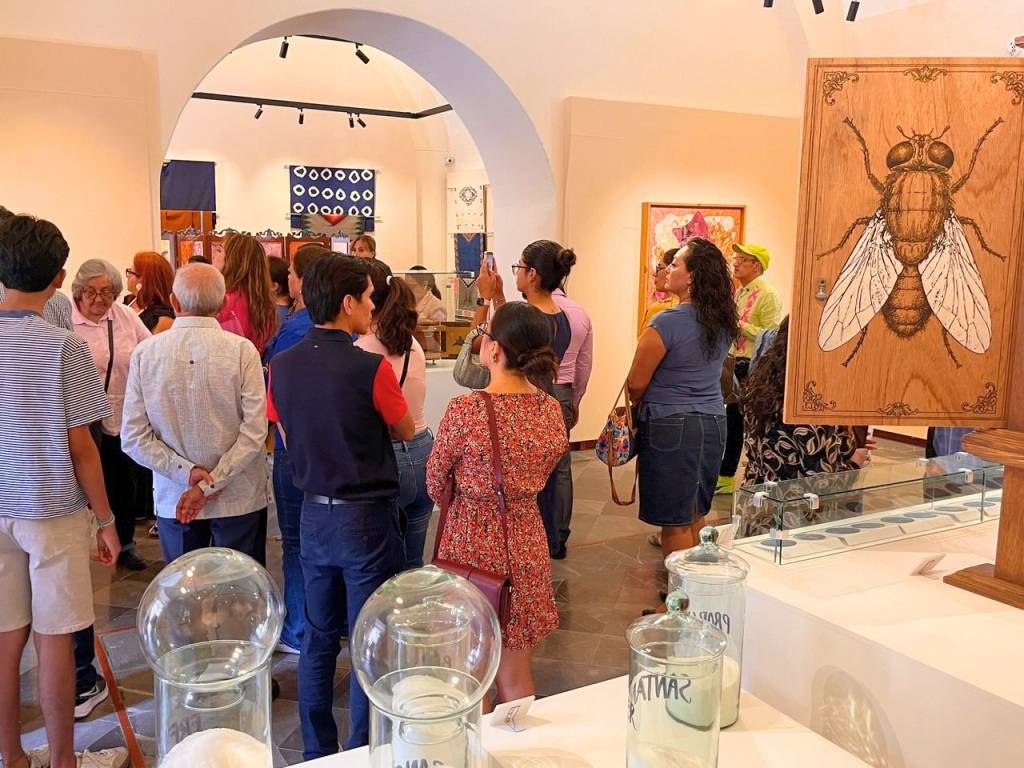
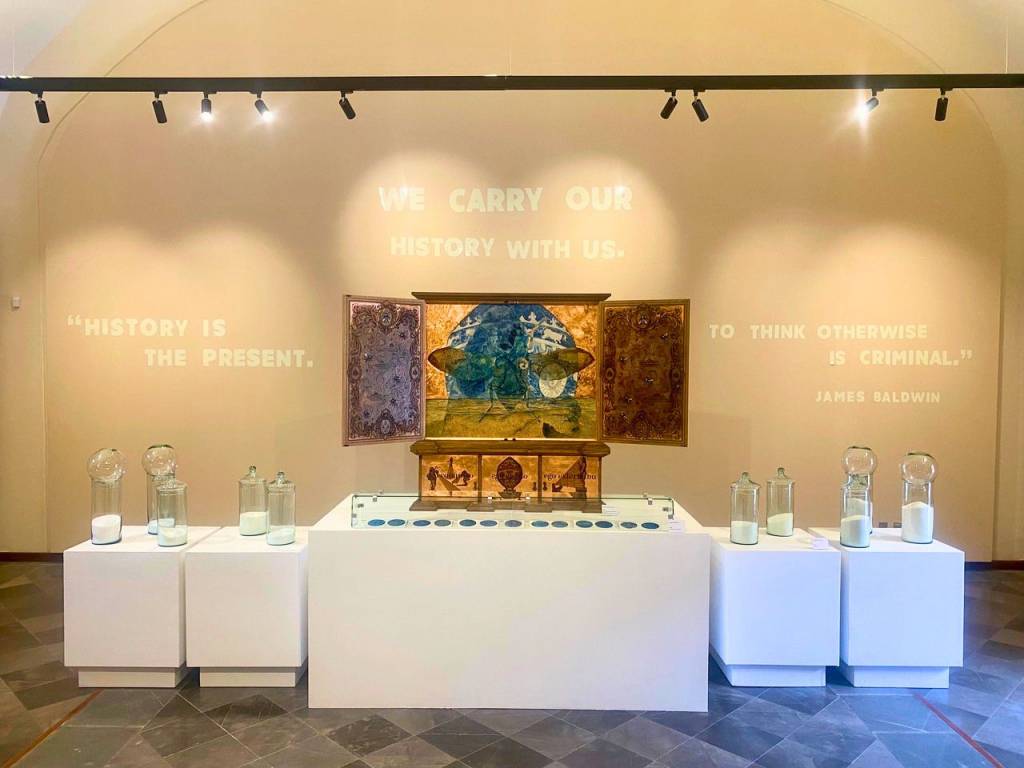
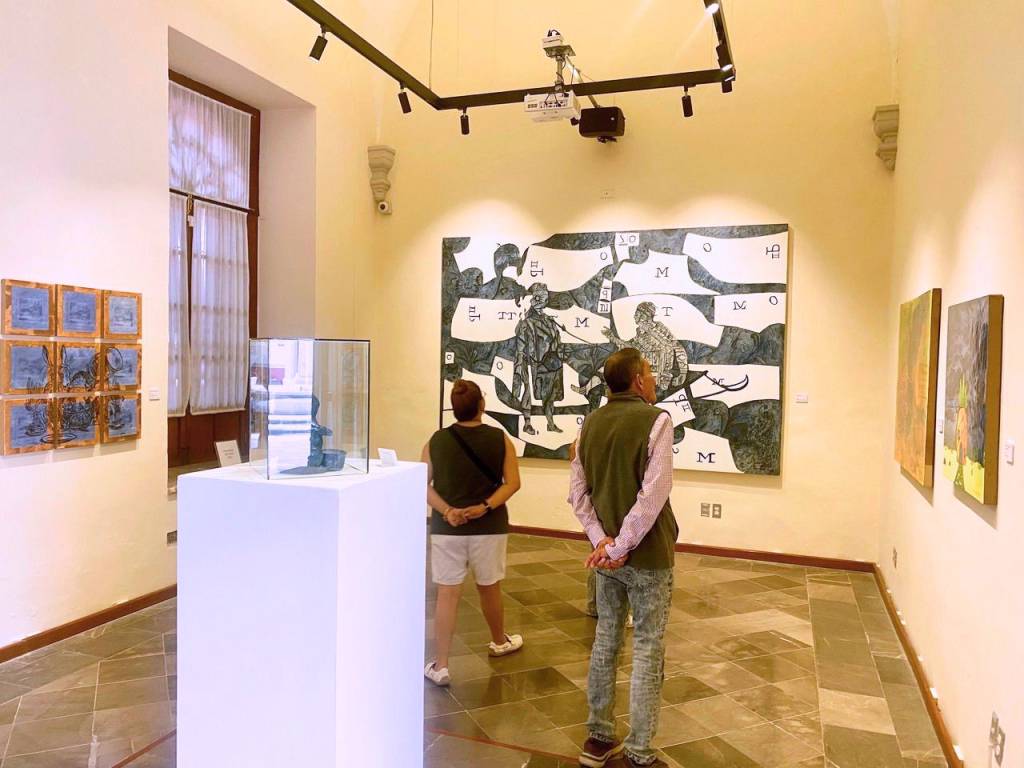
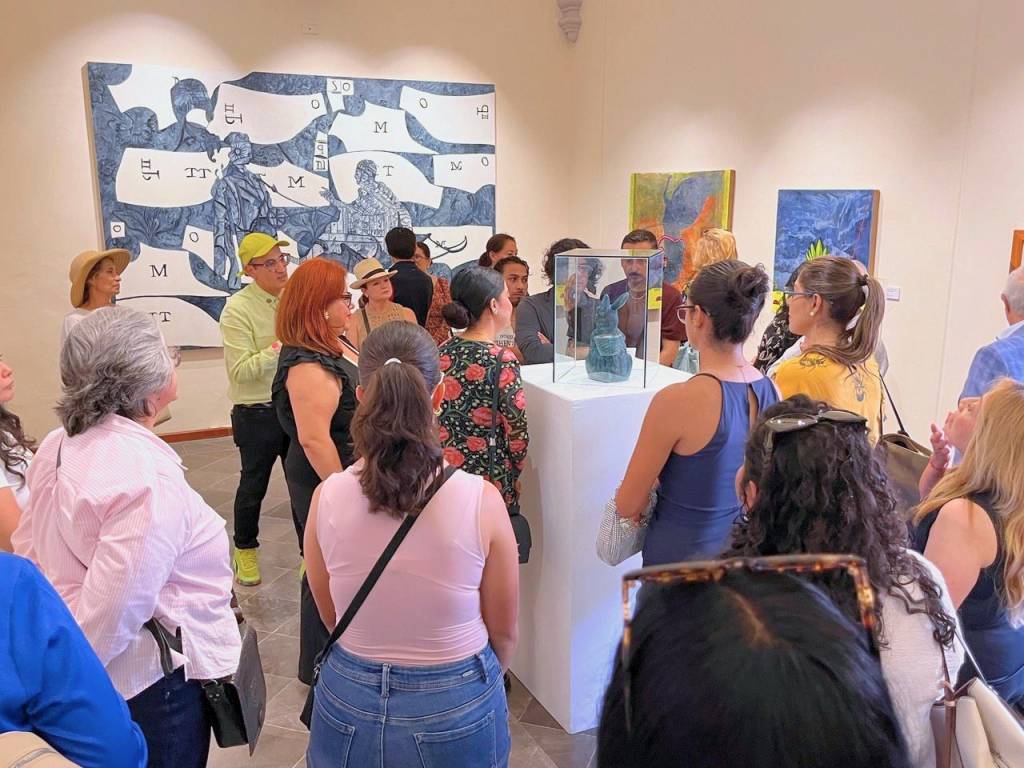
The program builds upon the success of Arquetopia’s recent exhibition initiatives and Francisco Guevara’s series of museum and gallery exhibitions since 2022, which have examined themes of colonialism, collecting, cultural memory, material histories, and institutional authority. Conceived as an extension of these investigations, Battleground Museum invites participants to engage museums not merely as sites of exhibition, but as active spaces of research, dialogue, public engagement, and cultural transformation. Through artistic production, public programming, and critical inquiry, participants will contribute to ongoing conversations about the role of museums in shaping historical narratives, cultural legitimacy, and collective memory. Building upon the trust, commitment, and critical engagement developed through previous residencies, the program offers a unique opportunity to work collectively over an extended period of time while addressing questions surrounding museums, collections, visibility, memory, cultural authority, and public life.
The program brings together a select group of alumni whose practices demonstrate the capacity to engage museums as dynamic spaces where artistic production, research, public engagement, and institutional critique intersect. Participants will be invited to critically examine the historical and contemporary role of museums while contributing to these conversations through artistic projects, public-facing activities, and community-oriented initiatives. Particular emphasis will be placed on the relationship between artistic practice and the museum as a site where histories are assembled, identities negotiated, and cultural values produced.
The program consists of a 4-week in-person residency mentored by Francisco Guevara and takes place exclusively at Arquetopia Puebla. Selected participants will complete their residency between the fall of 2026 and the fall of 2027, contributing to a collective exhibition and public engagement initiatives that explore the museum as a contested terrain where memory, visibility, heritage, and cultural authority are continuously negotiated. Through sustained mentorship, critical readings, research, discussion, and artistic production, participants will deepen their engagement with museums not simply as institutions of preservation, but as active agents in the construction of public knowledge, cultural legitimacy, and historical understanding.
REQUIRED TEXT
Required readings will be assigned by Francisco Guevara, Arquetopia Co-Founder and mentor, to deepen participants’ understanding of the themes, debates, and critical questions explored throughout the program. Drawing from museum studies, visual culture, critical theory, historiography, and contemporary artistic practice, the readings will support both individual research interests and collective discussions. Additional methodological, historiographical, and philosophical texts will be provided to strengthen participants’ conceptual development and engagement with the program’s central concerns. All books, essays, and supplementary materials will be made available electronically through Arquetopia’s Google Classroom platform
WHAT THIS SPECIAL ALUMNI PROGRAM INCLUDES
- One online introductory session to introduce the program’s methodology, establish expectations, define individual research interests, and identify preliminary artistic and conceptual goals. The session will be accompanied by critical readings related to the themes of museums, collections, visibility, memory, and cultural authority;
- Access to Arquetopia’s online resources, including Google Classroom, video conferencing platforms, digital reading materials, and ongoing communication with program staff;
- An individualized curriculum organized through critical readings, research assignments, and guided discussions drawn from museum studies, visual culture, historiography, philosophy, and contemporary artistic practice;
- Two individualized online mentoring sessions with Francisco Guevara focused on the development of each participant’s research, artistic project, and engagement with the program’s conceptual framework;
- Two online collective critical sessions designed to facilitate dialogue among participants, present works-in-progress, discuss readings, and strengthen the relationship between individual projects and the broader themes of the program;
- One online session with an invited curator, museum professional, scholar, or cultural practitioner whose work intersects with the themes of museums, collections, exhibitions, memory, and institutional practice;
- A 4-week on-site residency at Arquetopia Puebla, during which participants will further develop their artistic and research projects through independent work, mentorship, site visits, critical discussions, and public engagement activities;
- Four on-site collective sessions led by Francisco Guevara that combine project presentations, critical dialogue, curatorial feedback, and discussions surrounding museums as spaces of visibility, cultural production, and public memory;
- Personalized mentoring, research guidance, conceptual development, curatorial support, and critical feedback throughout the duration of the program;
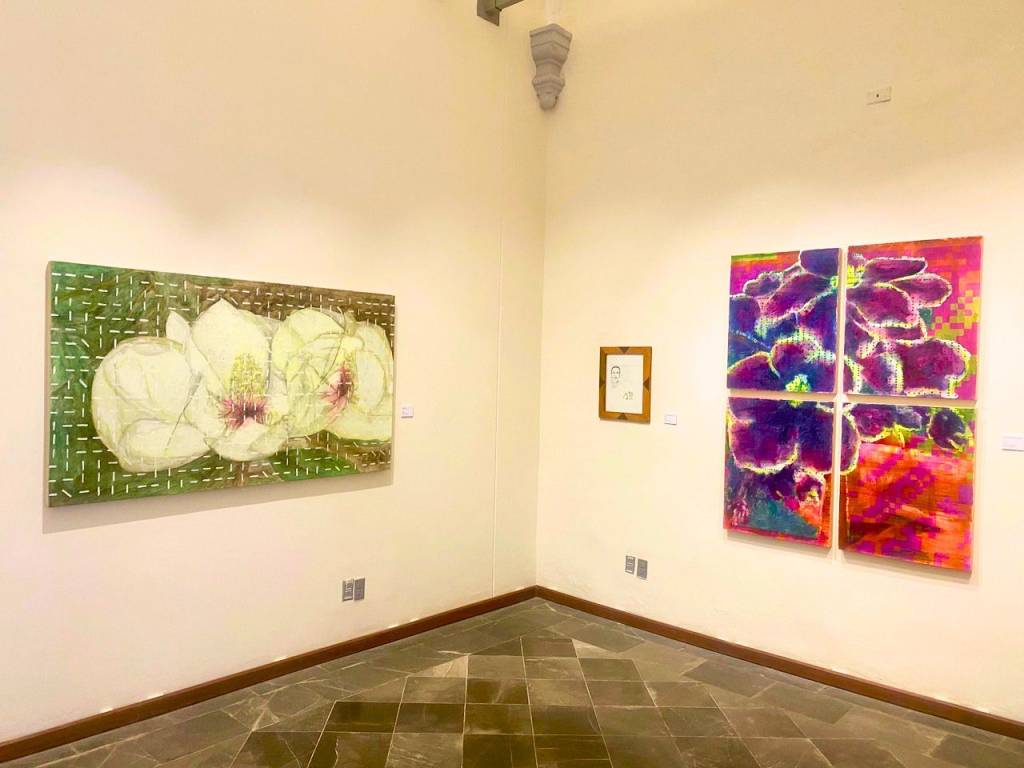
- Participation in the collective exhibition and associated public programming initiatives developed as part of Battleground Museum: Conflict, Memory, and Cultural Resistance.
Staff Support:
Each resident artist meets weekly with our directorial and curatorial staff for personalized mentoring, research assistance/resources, project guidance, and critique.
Accommodation:
• Furnished, private bedroom
• 24-hour access to the kitchen for participants to prepare their own meals; meals/food are the participants’ responsibility
• Wireless Internet
• Use of Arquetopia’s common spaces including outdoor terraces
• Shared, serviced (single) bathrooms with modern fixtures and showers
• Housekeeping
Studio Workspace:
• 24-hour access to large and bright, shared art studio with generous natural light
• Personal workspace with large table and wall space
• Some tools provided
• Materials and supplies are not included but are available for purchase locally
DURATION / TIME PERIOD
The on-site session of the program is 4 weeks, TBD between Fall 2026 and Fall 2027.